BULGARIA RIDE – VITOSHA AND SOFIA
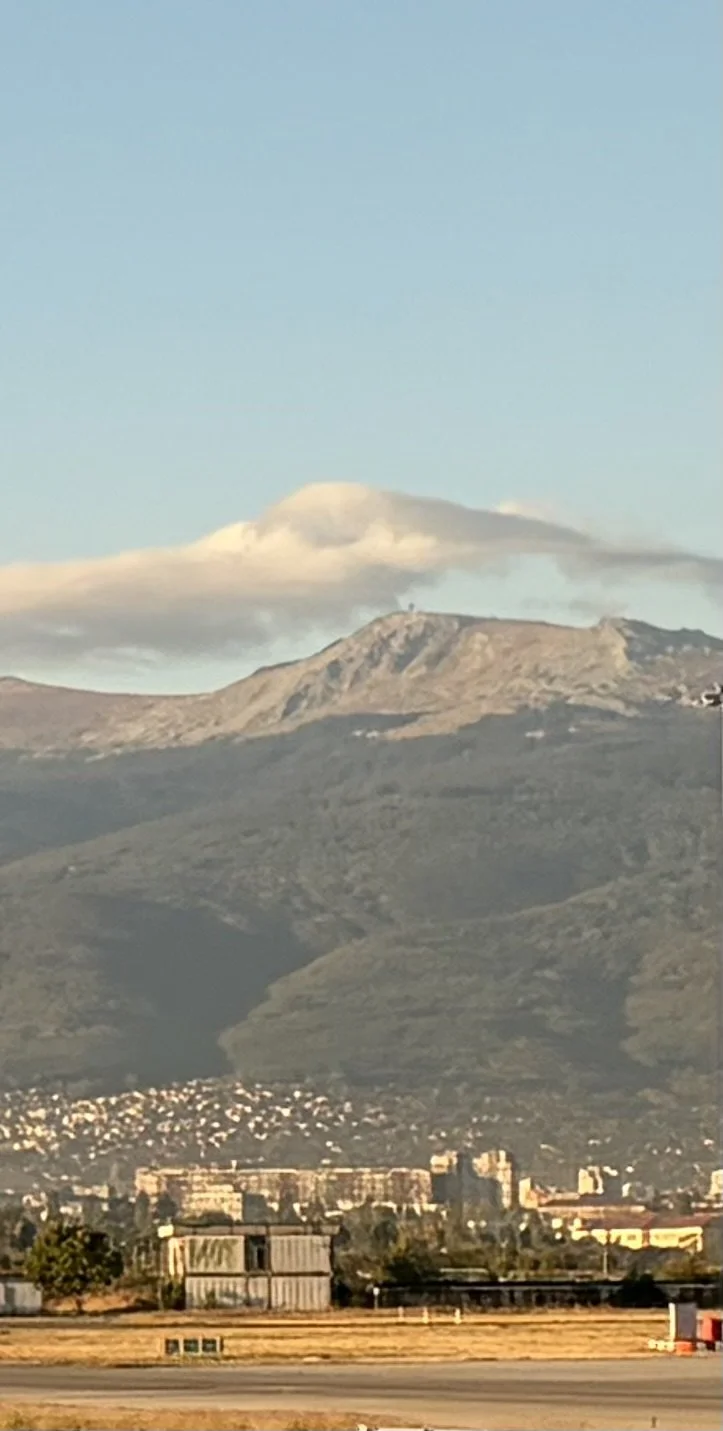
Evidence suggests that Sofia has been continuously inhabited for over 8,000 years. The city’s apparent ability to slake the wanderlust of Thracians, Romans, Byzantines, Slavs, and Ottomans is understandable given its abundant thermal springs and ideal situation on a fertile plain ringed by protective mountains. If one thinks of these mountains as a belt sitting snug around Sofia’s slender waist, Mount Vitosha is that belt’s bejeweled buckle. And like a belt buckle, Vitosha does not cast a dark shadow over Sofia. Rather, it gives her a focal point. The city’s main pedestrian shopping boulevard leads toward Vitosha and bus line 66 quickly takes Sofians up Vitosha’s slopes where they can hike its many trails or take a chair lift to its peak and ski for nearly half the year. But Vitosha and the other low Balkan mountains aren’t the only ring encircling this charming city.
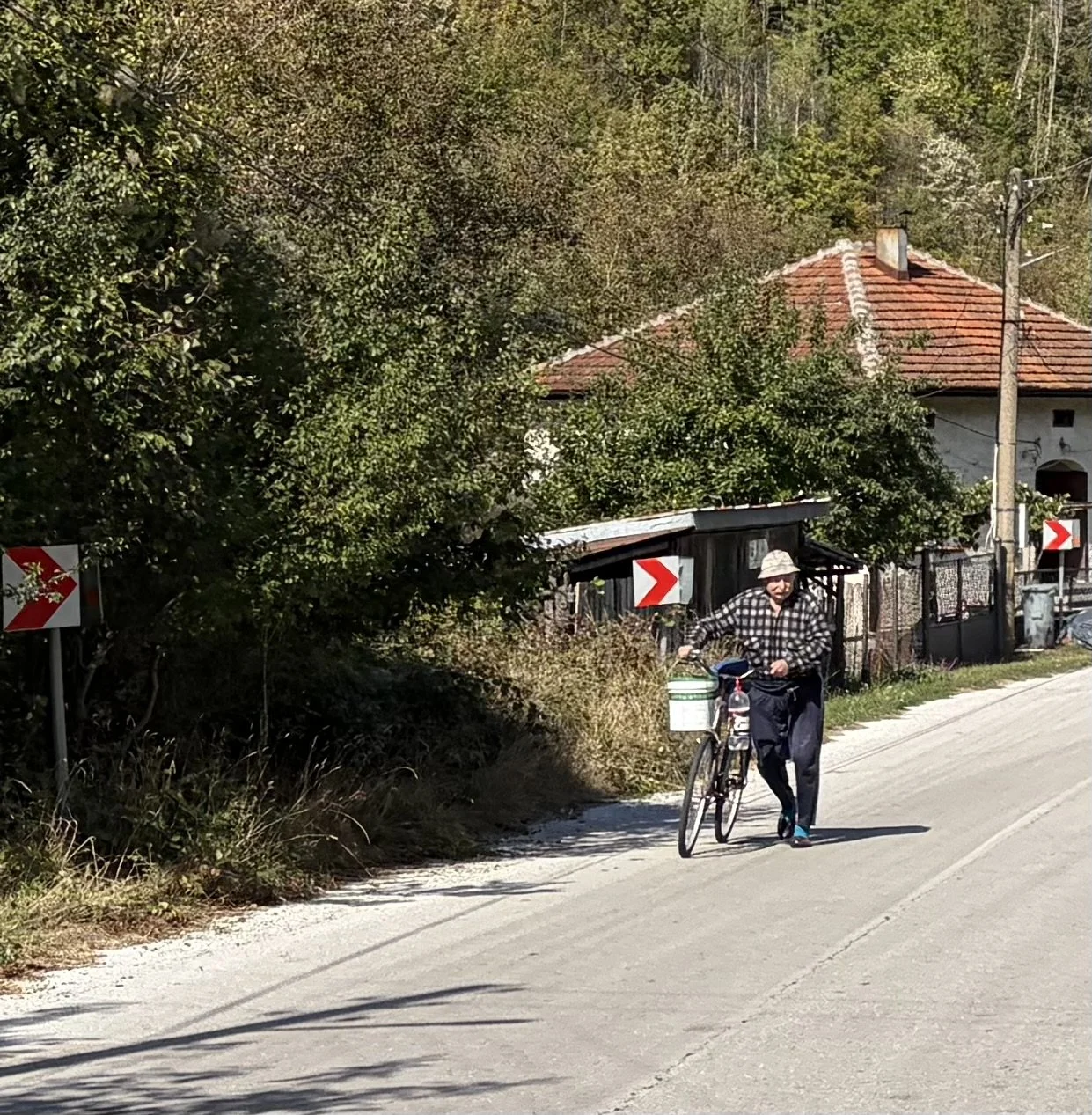
Villages of varying size and beauty cling to the mountains’ flanks, rolling hills of cropland and pasture dividing them. A few of these villages of narrow, cobbled streets and terraced orchards are becoming bedrooms communities for Sofia’s young professionals, but most still seem home only to the ubiquitous old man on a bicycle riding home from doing his wife’s shopping.
Leaving the mountains, villages, and farmland behind; one comes to a phalanx of monolithic, raw concrete apartment buildings. In Western Europe and the U.S., we call this architectural approach used to rebuild after WWII ‘Brutalist’ and claim it reflects the functional honesty and democratic transparency of those times. In the Eastern Bloc, the same no-frills approach was adopted simply because it was an efficient way to supply housing for workers while minimizing the amount of land taken away from agricultural or industrial use. Before too quickly judging the Bulgarians for not demolishing these eyesores as we largely have at home, we should perhaps consider our own urban housing crisis and ask what has come of functional honesty and democratic transparency.
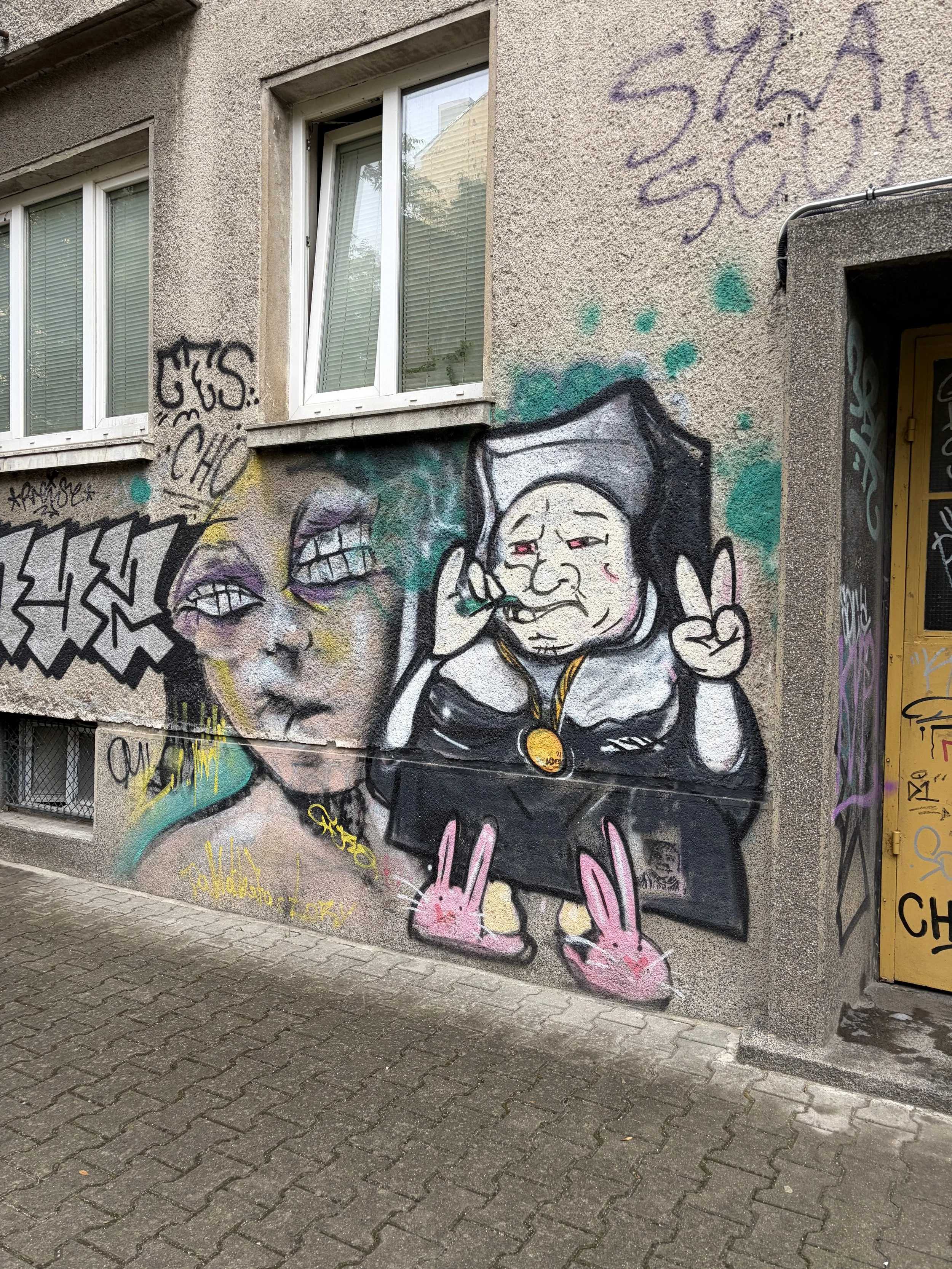
Once through the bastion of concrete tenements, one comes to the bustling heart of Sofia. Criss-crossed by streetcars, winding streets of walled houses and small shops (often covered in creative graffiti) intermingle with Roman ruins, ornate religious buildings of every persuasion (Eastern Orthodox, Roman Catholic, Jewish, Moslem), and governmental buildings with Husaresque guards.
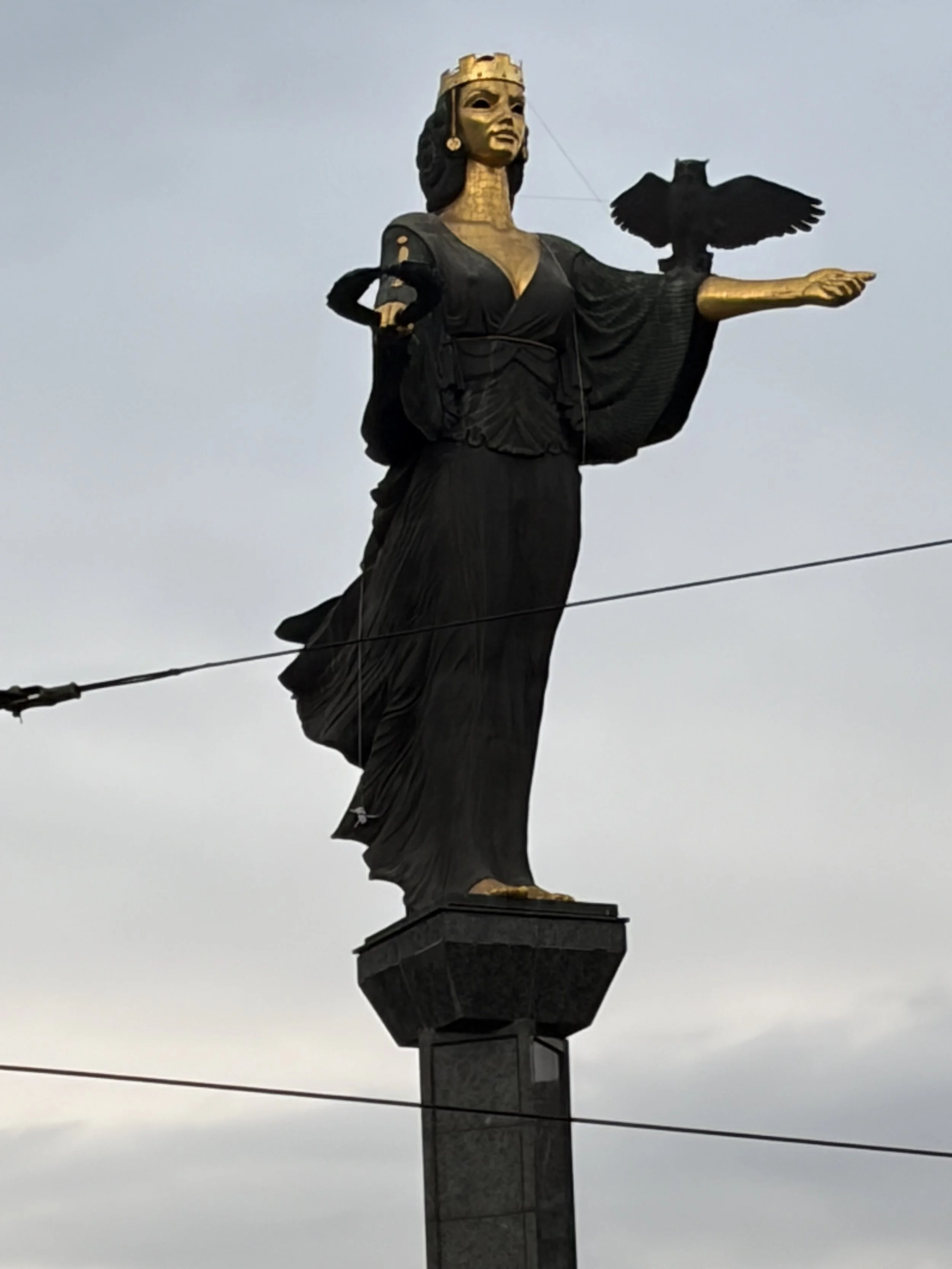
Finally, at the city’s beating heart, we find Vitosha’s bride – the statue of Sofia herself – a powerfully built but lovely woman with a wise owl on her left arm and laurel wreath of glory in her right hand.
Sofia may not be the prettiest or most cosmopolitan city I’ve visited, but her vitality is alluring. And, at her side, Vitosha offers a hint of the mysterious beauty of the abundant wilderness to be found just beyond her belted waist.